%22%2F%3E%3Ctext%20x%3D%2250%22%20y%3D%2250%22%20dy%3D%220.35em%22%20text-anchor%3D%22middle%22%20font-family%3D%22system-ui%2Csans-serif%22%20font-size%3D%2248%22%20font-weight%3D%22700%22%20fill%3D%22hsl(24%2060%25%2092%25)%22%3EK%3C%2Ftext%3E%3C%2Fsvg%3E)
%22%2F%3E%3Ctext%20x%3D%2250%22%20y%3D%2250%22%20dy%3D%220.35em%22%20text-anchor%3D%22middle%22%20font-family%3D%22system-ui%2Csans-serif%22%20font-size%3D%2248%22%20font-weight%3D%22700%22%20fill%3D%22hsl(280%2060%25%2092%25)%22%3EB%3C%2Ftext%3E%3C%2Fsvg%3E)
%22%2F%3E%3Ctext%20x%3D%2250%22%20y%3D%2250%22%20dy%3D%220.35em%22%20text-anchor%3D%22middle%22%20font-family%3D%22system-ui%2Csans-serif%22%20font-size%3D%2248%22%20font-weight%3D%22700%22%20fill%3D%22hsl(150%2060%25%2092%25)%22%3EL%3C%2Ftext%3E%3C%2Fsvg%3E)
%22%2F%3E%3Ctext%20x%3D%2250%22%20y%3D%2250%22%20dy%3D%220.35em%22%20text-anchor%3D%22middle%22%20font-family%3D%22system-ui%2Csans-serif%22%20font-size%3D%2248%22%20font-weight%3D%22700%22%20fill%3D%22hsl(45%2060%25%2092%25)%22%3EG%3C%2Ftext%3E%3C%2Fsvg%3E)
%22%2F%3E%3Ctext%20x%3D%2250%22%20y%3D%2250%22%20dy%3D%220.35em%22%20text-anchor%3D%22middle%22%20font-family%3D%22system-ui%2Csans-serif%22%20font-size%3D%2248%22%20font-weight%3D%22700%22%20fill%3D%22hsl(210%2060%25%2092%25)%22%3ED%3C%2Ftext%3E%3C%2Fsvg%3E)

SUQ-MADIQAutorytet
4piorunów#zeglarstwo #heheszki #4x4



Kategoria: Sport
Wilki morskie i szuwarowe, piraci, admirały, skiperzy, przemytnicy i lafiryndy jachtowe łączmy sie
SUQ-MADIQAutorytet
4piorunów#zeglarstwo #heheszki #4x4

AtaraxFenomen
12piorunów#zeglarstwo #podroze #hobby

SUQ-MADIQAutorytet
15piorunów#zeglarstwo #nurkowanie #statki
Wincy https://www.facebook.com/groups/abandonedbeauties/permalink/3108027789489823/
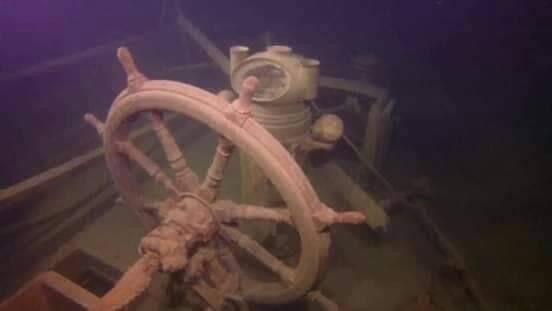
STULETNI ZATOPIONY STATEK ZACHOWANY W DOSKONAŁYM STANIE POD JEZIOREM SUPERIOR
Gunilda była jachtem parowym o stalowym kadłubie, zbudowanym w Szkocji, który służył od momentu zbudowania w 1897 roku do zatonięcia w jeziorze Superior w 1911 roku.
Jacht wszedł na mieliznę McGarvey Shoal po północnej stronie Copper Island, a kiedy był holowany, przewrócił się i zatonął na dnie na wysokości 270 stóp. Meble są nadal na swoim miejscu, ponieważ meble na łodziach są przymocowane do podłogi.


 ShootingStarStatysta0piorunów
SUQ-MADIQAutorytet
8piorunów#zeglarstwo #bezpieczenstwonamorzu
Top tips to prevent lightning strikes onboard
Head for safety
When storm clouds gather, head for shore. The worst place to be is on the open water where your boat is the tallest lightning rod around. Drop anchor in shelter if you can.
Beware of metal
The cockpit is one of the most dangerous places in a yacht because of its metal parts. If you have one, engage the autopilot rather than steering by hand. During a lightning strike, high voltages could zap a skipper if, for example, he or she has one hand on a metal steering wheel and the other on the metal engine controls or the lifelines.
Avoid the mast down below
When below, stay away from the mast-to-keel area. That’s the primary route of the lightning seeking a place to exit.
Stay away from the water
Avoid any connection between yourself and the water. Your body is a better conductor than air, so lightning will think your body is the easier route making you a human lightning rod. If you enter the water, electrocution is highly probable if lightning strikes nearby.
Go below
If you do see lightning too close for comfort, go below. That gets you away from the metal in the cockpit. You also don’t want to be at the mast during the lightning storm. The places on deck to avoid most are directly beneath the mast or the boom.
Try a little radio
An old boater’s trick is to turn on an AM (not FM) radio to listen for static. Small, cheap portable battery powered radios are best. The louder the static the closer the storm. It will also indicate if there’s an electrical charge building around your boat.
Drop the sails
Get sails down early and furled to avoid the sudden, intense winds at the leading edge of a squall, which will be associated with strong winds and waves, heavy rain, and even hail.
Don’t get in the tender
Being on a large yacht with a mast is much safer than being in a small unprotected yacht, so choose to stay on the bigger boat rather than hightailing it to land in the dinghy.
Get your boat inspected
If your boat’s been hit by lightning have it hauled out for inspection immediately. Many insurers cover a short-haul, and some do not charge a deductible against this coverage. Seeing where the lightning came out is critical and can help avoid a catastrophic failure down the line.

 olejek_rurzanyMocarz0piorunów
takie rzeczy to chyba na hejto.co.uk
SUQ-MADIQAutorytet
4piorunów
SUQ-MADIQAutorytet
3piorunów#zeglarstwo mija #statki moje
 blessmasterDebiutant1piorunów
@SUQ-MADIQ za dzieciaka te promy wyglądały jak kolosy, robiły wrażenie
PS na tej małej plaży po prawej się łowi rybki 😉
SUQ-MADIQAutorytet
1piorunówSUQ-MADIQAutorytet
2piorunówNie działa odtwarzanie w miniaturkach ヽ( ͠°෴ °)ノ
 DiegoGonzalezKompan0piorunów
Stawianie masztu hehe
SUQ-MADIQAutorytet
2piorunów alicja_po_zlej_stronie_lustraOsobistość0piorunów
@SUQ-MADIQ Czeba będzie odpalić do obiadu na tiviku
SUQ-MADIQAutorytet
6piorunów#zeglarstwo #esp32 #poradnikarmatora - taki tag do zczarnolistowania kto nie jest zainteresowany biedackimi rozwiązaniami diy do użycia w jachcie
In this episode we set up a ESP32-E Firebeetle 2 to be able to monitor key data from my Yanmar 3GM30 (and applicable to any engine). The device will run a program based on SensESP from the Signal K team and interface with my Openplotter system on my boat Raspberry Pi. This system could be easily extended to be NMEA 2000 for integration into an existing NMEA 2000 marine electronics system.
The data that the device will provide is as follows:
• Oil Pressure - requires a pressure sender and a port on the engine to connect to.
• RPM - requires a pulse from the spinning engine, this is usually the 'W' terminal or Tachometer Signal wire. This could also be done using a flywheel sensor or something similar
• Fuel Burn Rate - this will be calculated from the RPM
• Temperature Sensors - I am using 1-Wire sensors for the following:
○ Oil Temperature
○ Aft Cabin Temperature
○ Exhaust Elbow Temperature
○ Exhaust Barrel Temperature
○ Alternator Temperature
• Environmental Sensor - this device will report Temperature, Relative Humidity and Air Pressure in the engine bay
 sorekSum0piorunów
@SUQ-MADIQ wydaje mi się że z silnika za pomocą CAN byś mógł wyciągnąć dane bezpośrednio bez konieczności używania tylu sensorów :grinning:
 SUQ-MADIQAutorytet1piorunów
@sorek https://streamable.com/7okv3q
Nie ma nawet pompy oleju ani filtra a ty byś chciał jakieś gniazdo z elektroniką :grinning:
Za rok mu stuknie 50 lat
SUQ-MADIQAutorytet
2piorunówSUQ-MADIQAutorytet
6piorunówSprawdzam czy png działa tylko

 nogiwezaAutorytet3piorunów
działa
SUQ-MADIQAutorytet
11piorunów AtaraxFenomen1piorunów
@SUQ-MADIQ jesteś piłatem z kałaibów ?
SUQ-MADIQAutorytet2piorunów@Atarax ze szczecina
SUQ-MADIQAutorytet
4piorunów
SUQ-MADIQAutorytet
3piorunówSUQ-MADIQAutorytet
4piorunówNorweski drakkar przypływa do Nowego Jorku
a tutaj walczy ze sztormem na morzu północnym
I kto jest kozak? Jak używany jacht to tylko od szweda #zeglarstwo #morze #statki #ciekawostki #wikingowie

EmilKoneser
7piorunówFajne zdjęcie zrobiłem?

 GrubasOsobistość1piorunów
Owszem, ładne :zap:
 EmilKoneser2piorunów
@Grubas aż sobie na tapetę ustawiłem bo kojarzy mi się z takim spokojem i sielanką. Lubię wracać do tamtej chwili
SUQ-MADIQAutorytet
2piorunówSUQ-MADIQAutorytet
2piorunówSUQ-MADIQAutorytet0piorunówSUQ-MADIQAutorytet
3piorunów#zeglarstwo #bezpieczenstwonamorzu
AIS as a SURVEILLANCE TOOL :white_check_mark:
An Automatic Identification System (AIS) is an automated tracking system that displays other vessels or vessels in the vicinity.
SOLAS Requirements:bangbang:
The IMO Convention for the Safety Of Life At Sea (SOLAS) Regulation V/19.2.4 requires all vessels of 300 GT and above engaged on international voyages and all passenger ships, irrespective of size, to carry AIS onboard.
What will appear on the Screen of your AIS:bangbang:
Vessels Info :white_check_mark:
-MMSI number
-IMO number
-Name and Call Sign
-Length and Beam
-Type of ship
-Ship’s position with accuracy indication
-Position timestamp (in UTC)
-Course Over Ground (COG)
-Speed Over the Ground
-Heading
-Bearing
- Range
-Ship’s draught
-Type of cargo
-Destination and ETA
:pushpin: Facts about AIS
How does the AIS system work?
:white_check_mark: AIS works by taking the vessel’s location and movements through its GPS or the internal sensors built into the AIS unit. It is fitted on ships for the identification of ships and navigational marks. However, it is only an aid to navigation and should not be used for collision avoidance.
:white_check_mark: The AIS onboard must be switched on at all times unless the Master deems that it must be turned off for security reasons or anything else.
:white_check_mark: Your ship also shows on the screens of other vessels in the vicinity, provided your vessel is fitted with AIS. If AIS is not fitted or not switched on, there is no exchange of information on ships via AIS.
TWO TYPES OF AIS :bangbang:
:arrow_right: Class A: Mandated for all vessels 300 GT and above engaged on international voyages as well as all passenger ships.
:arrow_right: Class B: Provides limited functionality and is intended for non-SOLAS vessels. Primarily used for vessels such as pleasure crafts.
AIS operates principally on two dedicated frequencies or VHF channels:
:arrow_right: AIS 1: Works on 161.975 MHz- Channel 87B (Simplex, for the ship to ship)
:arrow_right: AIS 2: 162.025 MHz- Channel 88B (Duplex for the ship to shore)
AIS AS A SURVEILLANCE TOOL :bangbang:
In coastal waters, shoreside authorities may establish automated AIS stations to monitor the movement of vessels through the area.
Coast stations can also use the AIS channels for shore to ship transmissions and to send information on tides, NTMs and located weather conditions.
To sum it up, the AIS only improves the safety of navigation by assisting the OOW/VTS.
