
%22%2F%3E%3Ctext%20x%3D%2250%22%20y%3D%2250%22%20dy%3D%220.35em%22%20text-anchor%3D%22middle%22%20font-family%3D%22system-ui%2Csans-serif%22%20font-size%3D%2248%22%20font-weight%3D%22700%22%20fill%3D%22hsl(24%2060%25%2092%25)%22%3EK%3C%2Ftext%3E%3C%2Fsvg%3E)
%22%2F%3E%3Ctext%20x%3D%2250%22%20y%3D%2250%22%20dy%3D%220.35em%22%20text-anchor%3D%22middle%22%20font-family%3D%22system-ui%2Csans-serif%22%20font-size%3D%2248%22%20font-weight%3D%22700%22%20fill%3D%22hsl(280%2060%25%2092%25)%22%3EB%3C%2Ftext%3E%3C%2Fsvg%3E)
%22%2F%3E%3Ctext%20x%3D%2250%22%20y%3D%2250%22%20dy%3D%220.35em%22%20text-anchor%3D%22middle%22%20font-family%3D%22system-ui%2Csans-serif%22%20font-size%3D%2248%22%20font-weight%3D%22700%22%20fill%3D%22hsl(150%2060%25%2092%25)%22%3EL%3C%2Ftext%3E%3C%2Fsvg%3E)
%22%2F%3E%3Ctext%20x%3D%2250%22%20y%3D%2250%22%20dy%3D%220.35em%22%20text-anchor%3D%22middle%22%20font-family%3D%22system-ui%2Csans-serif%22%20font-size%3D%2248%22%20font-weight%3D%22700%22%20fill%3D%22hsl(45%2060%25%2092%25)%22%3EG%3C%2Ftext%3E%3C%2Fsvg%3E)
%22%2F%3E%3Ctext%20x%3D%2250%22%20y%3D%2250%22%20dy%3D%220.35em%22%20text-anchor%3D%22middle%22%20font-family%3D%22system-ui%2Csans-serif%22%20font-size%3D%2248%22%20font-weight%3D%22700%22%20fill%3D%22hsl(210%2060%25%2092%25)%22%3ED%3C%2Ftext%3E%3C%2Fsvg%3E)

MTU Aero Engines Polska: Przyszłość lotnictwa to silniki wodorowe!

ObserwatorGospodarczyOsobistość
6piorunówMTU Aero Engines Polska świętuje 15-lecie, rozwijając innowacyjne silniki wodorowe. Czy przyszłość lotnictwa będzie napędzana wodorem?
Komentarze (2)
lurker_z_internetuGruba ryba0piorunówCoś się nie zgadza w tym artykule:
Najbardziej innowacyjnym projektem jest silnik napędzany wodorem, znany jako Flying Fuel Cell. Co istotne, silnik ten nie wykorzystuje ogniw paliwowych, ale wodór jako bezpośrednie paliwo.
Podczas gdy na stronie firmy jest:
In the FFC, hydrogen and oxygen react to form water, thereby releasing electrical energy. A highly efficient electric motor then uses this energy to drive the propellor through a gearbox.
Czyli opis napędu elektrycznego zasilanego ogniwem paliwowym. To gdzie ta rewolucyjna technologia?
Źródło: https://www.mtu.de/technologies/clean-air-engine/flying-fuel-cell/
Flying fuel cell - MTU Aero EnginesAmong the propulsion concepts to emerge from MTU is an electric propulsion system: the Flying Fuel CellTM (FFC).Mtulurker_z_internetuGruba ryba0piorunówTu jeszcze lepszy cytat, mówiący wprost o ogniwach paliwowych:
The core of the system is the fuel cell stacks. The electrochemical conversion of hydrogen into elec- tricity is highly efficient. Moreover, the electro- chemical reaction takes place under considerably cooler conditions than conventional combustion.
Źródło: https://aeroreport.de/en/good-to-know/a-brief-guide-how-the-flying-fuel-cell-works
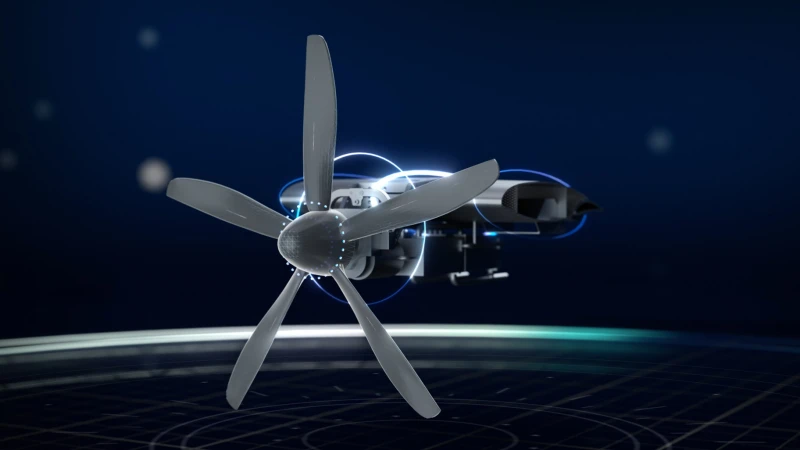 A brief guide: How the Flying Fuel Cell™ worksMTU and the FFC are working on a propulsion concept for emissions-free flight through electrification of the powertrain.MTU AEROREPORT