%22%2F%3E%3Ctext%20x%3D%2250%22%20y%3D%2250%22%20dy%3D%220.35em%22%20text-anchor%3D%22middle%22%20font-family%3D%22system-ui%2Csans-serif%22%20font-size%3D%2248%22%20font-weight%3D%22700%22%20fill%3D%22hsl(24%2060%25%2092%25)%22%3EK%3C%2Ftext%3E%3C%2Fsvg%3E)
%22%2F%3E%3Ctext%20x%3D%2250%22%20y%3D%2250%22%20dy%3D%220.35em%22%20text-anchor%3D%22middle%22%20font-family%3D%22system-ui%2Csans-serif%22%20font-size%3D%2248%22%20font-weight%3D%22700%22%20fill%3D%22hsl(280%2060%25%2092%25)%22%3EB%3C%2Ftext%3E%3C%2Fsvg%3E)
%22%2F%3E%3Ctext%20x%3D%2250%22%20y%3D%2250%22%20dy%3D%220.35em%22%20text-anchor%3D%22middle%22%20font-family%3D%22system-ui%2Csans-serif%22%20font-size%3D%2248%22%20font-weight%3D%22700%22%20fill%3D%22hsl(150%2060%25%2092%25)%22%3EL%3C%2Ftext%3E%3C%2Fsvg%3E)
%22%2F%3E%3Ctext%20x%3D%2250%22%20y%3D%2250%22%20dy%3D%220.35em%22%20text-anchor%3D%22middle%22%20font-family%3D%22system-ui%2Csans-serif%22%20font-size%3D%2248%22%20font-weight%3D%22700%22%20fill%3D%22hsl(45%2060%25%2092%25)%22%3EG%3C%2Ftext%3E%3C%2Fsvg%3E)
%22%2F%3E%3Ctext%20x%3D%2250%22%20y%3D%2250%22%20dy%3D%220.35em%22%20text-anchor%3D%22middle%22%20font-family%3D%22system-ui%2Csans-serif%22%20font-size%3D%2248%22%20font-weight%3D%22700%22%20fill%3D%22hsl(210%2060%25%2092%25)%22%3ED%3C%2Ftext%3E%3C%2Fsvg%3E)

100mphLider
6piorunówAle TVN boli Pelczynska xD Cóż za pokazowe szkalowanie w Faktach. Żałosne.
 HoszinGruba ryba1piorunów
@100mph a co tak się znowu odjaniepawla? jakaś nowa afera? bo nie jestem na bieżąco.

100mphLider
6piorunówAle TVN boli Pelczynska xD Cóż za pokazowe szkalowanie w Faktach. Żałosne.
HoszinGruba ryba1piorunów@100mph a co tak się znowu odjaniepawla? jakaś nowa afera? bo nie jestem na bieżąco.

GordonLamemanFanatyk
52piorunówDonald Trump na swoim wiecu mówi o tyłku Nicki Minaj. Taki poziom reprezentuje.
https://x.com/p_zuchowski/status/2114517949553824170?s=20
Pozdrawienia dla całej głupo-prawicy, która go wielbi. Ten człowiek to infantylny idiota ( wsumei to okreslenia jest uniwersalne dla całej "far-right"), który powinien co najwyżej łopatkami w piaskownicy się bawić.
#polityka #politykazagraniczna #bekazprawakow #trump

 sireplamaGURU13piorunów
To poziom jego wyborców
 od_bierdolta_sieFenomen5piorunów
Dziad pornograficzny. Idol pisowcow i batyra

Mr.MarsGURU
7piorunów- Jestem za dwukadencyjnością, bo nie widzę innych możliwości sensownych działań na rzecz większej przejrzystości i rozliczalności samorządów - mówi Katarzyna Batko-Tołuć z Watchdog Polska. Ekspertka zwraca uwagę na potrzebę większej demokratyzacji samorządów i silniejszej pozycji urzędników. Jej


Lopez_Fenomen
5piorunówMój ojciec zagadał do mnie o politykę. Coś tam gadka szmatka i mówię mu o dymisji Pełczyńskiej-Nałęcz, o problemach na rynku mieszkaniowym. Tłumaczę mu, że niezależnie od rządu mamy taką politykę, że boomerstwo położyło łapy na tym kraju i młodzi ludzie nie dostają absolutnie nic ciekawego, dlaczego mieliby głosować na poszczególne osoby.
Kryzys na rynku mieszkaniowym, drogie kredyty, ogólny brak perspektyw, do tego przejadanie publicznych pieniędzy przez polityków.
I standardzik xD Winny PiS. Przed wojną też komuchy i naziole doszli do władzy, bo ludzie są głupi. Car dobrzy, bojarzy źli tak w ogóle, bo ta Pełczyńska-Nałęcz to mąciła, a Tusk robi co może.
Pytam go zatem - czy rząd rozumie problemy młodych ludzi? Co skłania młodych do głosowania na radykalne partie? Może to, że te ugrupowania chcą z nimi rozmawiać, zwracają uwagę na problemy gospodarcze i społeczne, że regularnie organizują z nimi spotkania, że punktują błędy rzadu? Może rząd powinien przemyśleć sam co robi źle? Bo w sektorze prywatnym jak firma daje d⁎⁎y., to audytuje procesy i zastanawia się, czy ma dostateczną jakość i co poprawić, a nie że głupi klient?
NIE XD
Winni są ludzie, bo wszystko jest dobrze.
I "trzeba znać historię". Tak, tylko wnioski z historii mają wyciągać politycy, a nie obywatele, którzy chcą poprawić swoją sytuację i szukają ratunku XD
Nic się to tępe boomerstwo nie uczy. Zapatrzeni w czasy swojej świetności, solidarność, lata 90-00 i myślą, że będą im wszyscy pokłony oddawać albo głosować na jakąś partię tylko z tego powodu, że wroga byłaby potencjalnie gorsza.
Brak słów xD Jeśli władzę w tym kraju zdobyłyby np komuchy z Razem głosami niezadowolonych ludzi powiedzmy w wieku 18-39, to winę ponosi za to tylko to pokolenie ze swoim rządem, które wbijało w nas c⁎⁎ja i dbało o wąskie grono swoich przydupasów.
#polityka #gospodarka
 keborganGruba ryba2piorunów
Przed wojną też komuchy i naziole doszli do władzy, bo ludzie są głupi. Car dobrzy, bojarzy źli
Elity zawiodły ludzi, ponieważ były pochłonięte sobą, kiedy ludzie cierpieli - co dało przestrzeń do wzrostu ekstremizmów.
Ale, czy ekstremizmy rozwiązały problem? 😉
starebabyjebacprademFanatyk
69piorunów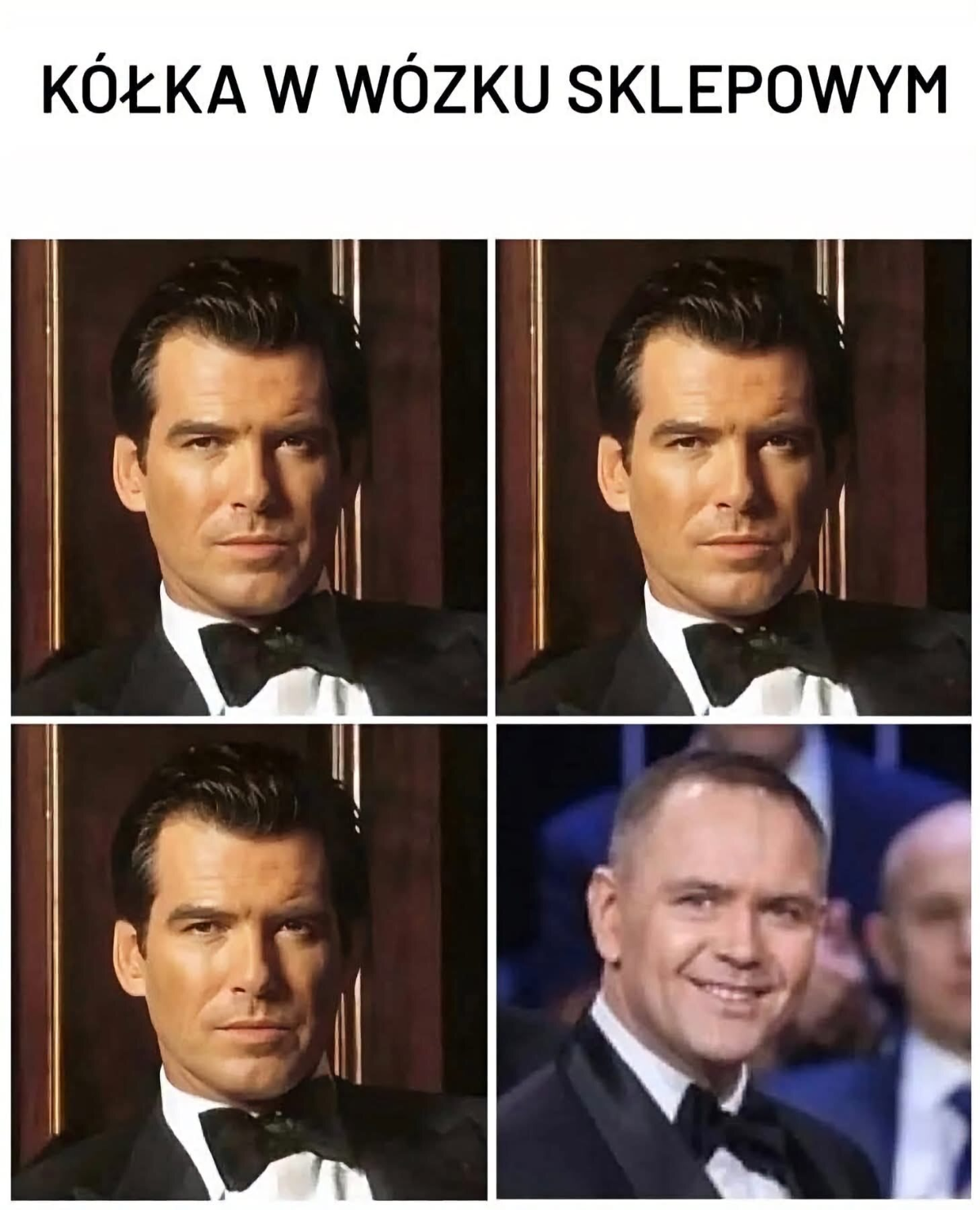 od_bierdolta_sieFenomen31piorunów
Bond, Bond, Bond, błąd

SaucissonBorderlineAutorytet
26piorunówW przedterminowych wyborach parlamentarnych w Serbii historyczne zwycięstwo odniosła opozycyjna Lista Studencka, zdobywając ponad 50% głosów i samodzielną większość w parlamencie. Wynik ten oznacza koniec wieloletnich rządów obozu politycznego skupionego wokół Aleksandara Vučicia, którego formacja


kotosOsobistość
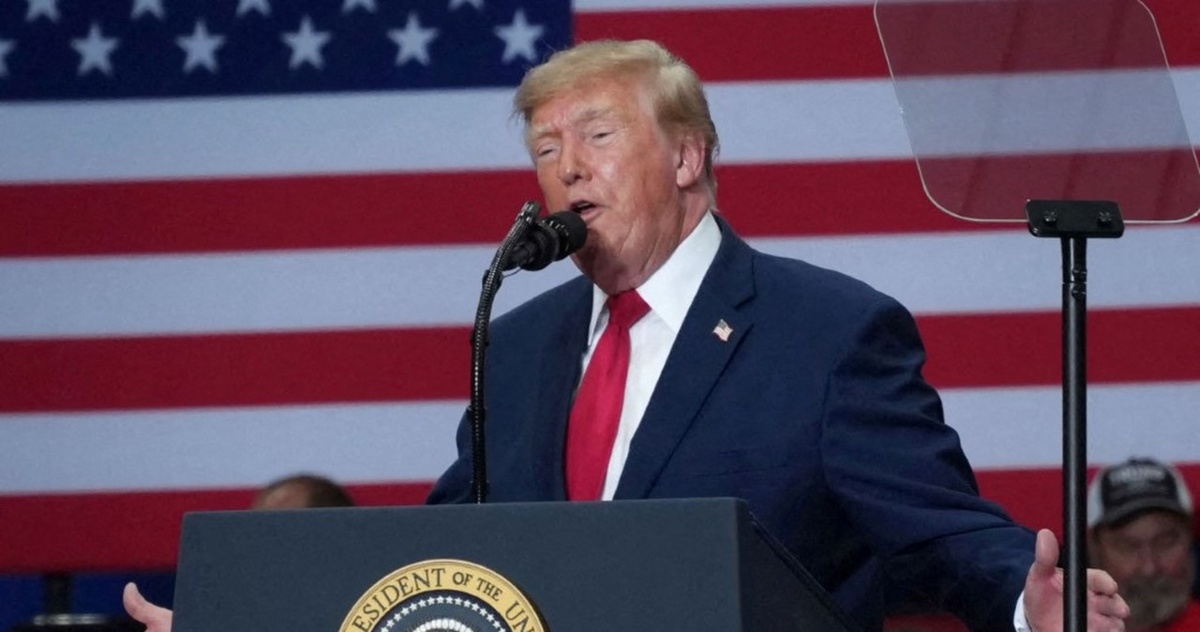
35piorunówNie jestem zakochany w Norwegii. Szczerze mówiąc, Norwegia jest do bani. Norwegia stała się w zasadzie gównianym krajem - powiedział w niedzielę Donald Trump. Czytaj więcej na
Nervous99Mocarz
2piorunówAle się asy wylosowały pod TK. Nieodwracalnie sprane głowy przez rubelklike
https://vader.joemonster.org/upload/suh/21759615a801abaWierne_odbiorczynie_.mp4

ZohanTSWFanatyk
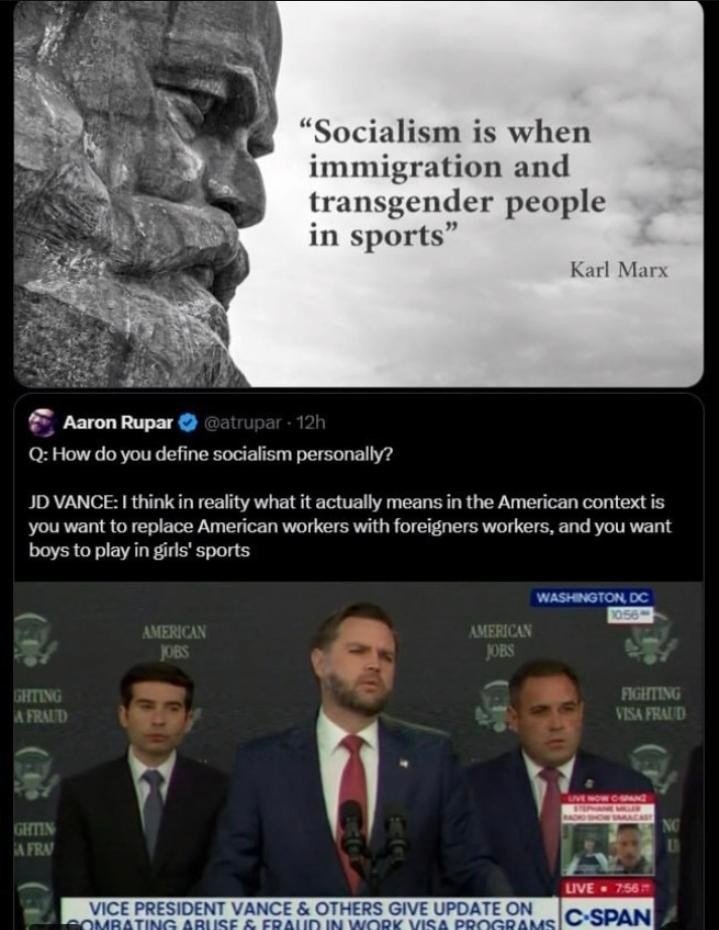
36piorunówZauważcie że według Trumpistów liberalność światopoglądowa to socjalizm, a programy socjalne to komunizm. 2 niezależne, rozłączne światy
 sireplamaGURU6piorunów
Choć to zaskakujące to typ jest glypszy nawet od Trumpa
 solly-1Fenomen3piorunów
ale to akurat calkiem sluszna uwaga, powiedzial przeciez ze w kontekscie stanow i w rzeczywistosci to polega na tym i tym.
ogolnie mnostwo ruchow lewicowych nie skupia sie za bardzo na prawach pracowniczych, za to notorycznie bije piane o plciach, seksualnosci, zaimkach i imigrantach. w stanach pojecia takie jak "socjalizm" i "komunizm" sa kompletnie znieksztalcone i tak, latwo tam zostac nazwanym socjalista, ale sporo ludzi idzie w te retoryke i niektorzy amerykanie adwokatuja komunizm, bo mysla, ze ten ustroj nastanie, kiedy wprowadzi sie powszechna sluzbe zdrowia.

infoskrotPraktykant
11piorunów#InfoSkrót — Wydanie z 26.10.2026
### 1. Darowizna dla Zbigniewa Ziobry
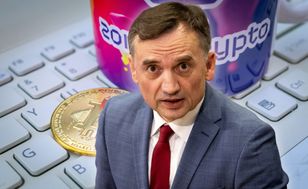
Zbigniew Ziobro otrzymał darowiznę w wysokości 450 000 zł od Przemysława Krala, byłego szefa wymiany kryptowalut Zondacrypto. Pieniądze zostały przekazane w trzech przelewach między 16 a 10 listopada 2025 r. Ziobro początkowo twierdził, że pieniądze pochodzą z kancelarii prawnej Krala, a nie z Zondacrypto. Okazało się, że Ziobro wykazywał duże zainteresowanie kryptowalutami w 2018 r. i popierał ich uregulowanie. Ziobro musiał wyjaśnić swoją pozycję po zapytaniu banku o źródło darowizny.
---
### 2. Rekordowy wzrost różnicy pomiędzy kredytami hipotecznymi ze stałą i zmienną stopą

Różnica pomiędzy pierwszą ratą topowego kredytu hipotecznego ze stałą stopą a jego odpowiednikiem ze zmienną stopą przekroczyła 300 zł. Stawka okresowo stałego oprocentowania przewyższa najlepsze stawki zmiennego oprocentowania o ponad 1 punkt procentowy. Kredyty hipoteczne drożeją w rekordowym tempie, szczególnie te ze stałą stopą procentową. Premia za pewność (kredyt ze stałą stopą) oznacza, że pożyczkobiorcy płacą ponad 300 zł dodatkowo za stabilność rat przez kilka lat.
---
### 3. Aplikacja mObywatel - funkcja mStłuczka

Aplikacja mObywatel oferuje funkcję mStłuczka, która umożliwia sporządzenie oświadczenia o kolizji drogowej bez użycia papieru. Użytkownicy mogą dołączyć zdjęcia z miejsca zdarzenia i wysłać raport do ubezpieczyciela. Usługa jest dostępna od września i eliminuje konieczność wypełniania tradycyjnych kartek oświadczenia.
---
### 4. Atak na pracowników służby zdrowia w Demokratycznej Republice Konga

W Demokratycznej Republice Konga doszło do ataku na pracowników służby zdrowia, którzy odpowiedzieli na alarm dotyczący Eboli. Zginęła jedna pielęgniarka, a inny pracownik służby zdrowia został ciężko ranny. Informację podała Światowa Organizacja Zdrowia.
---
### 5. Prezydent Częstochowy odwołany w referendum
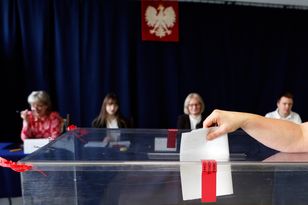
Krzysztof Matyjaszczyk, prezydent Częstochowy, stracił stanowisko w wyniku referendum. Decyzja ta jest efektem głosowania mieszkańców miasta.
---
### Źródła:
1. Darowizna dla Zbigniewa Ziobry
2. Rekordowy wzrost różnicy pomiędzy kredytami hipotecznymi ze stałą i zmienną stopą
3. Aplikacja mObywatel - funkcja mStłuczka
4. Atak na pracowników służby zdrowia w Demokratycznej Republice Konga
5. Prezydent Częstochowy odwołany w referendum
Więcej wiadomości i pełne archiwum: www.infoskrót.pl
 LopianKosmonauta0piorunów
Coś ci się, infoskrócie, obrazki nie powklejały
Al-3_xAutorytet
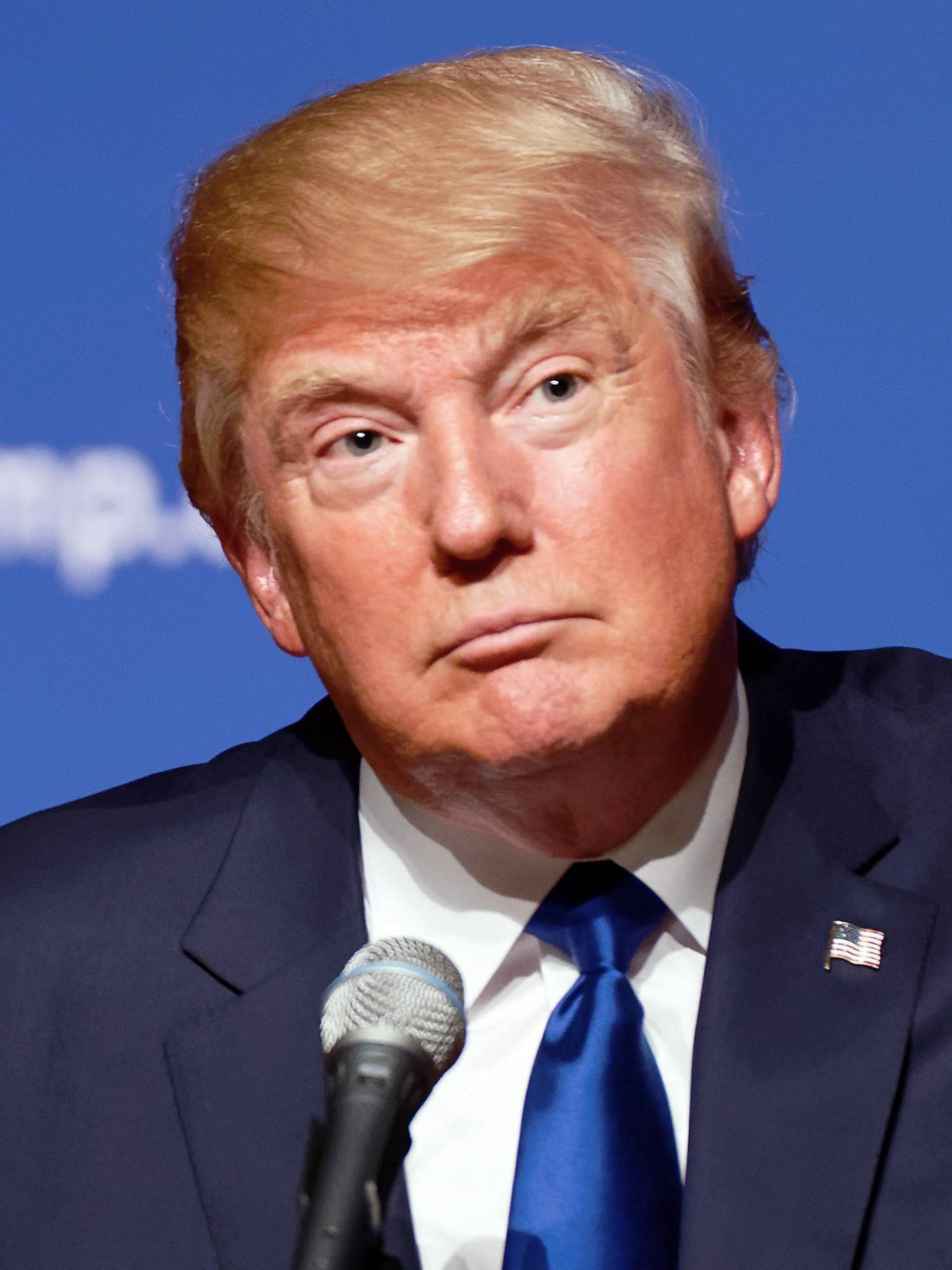
65piorunówTrump się nie hamuje. Absurdalne słowa o kolejnym kraju
Prezydent Donald Trump zaatakował Norwegię podczas niedzielnego wiecu wyborczego w Michigan, powtarzając swoje skargi na nieotrzymanie Pokojowej Nagrody Nobla. Stwierdził, że ten skandynawski kraj "jest do bani".
- Powiedziałem, że nie kocham Norwegii - stwierdził Trump. - Szczerze mówiąc, Norwegia jest do bani. Norwegia stała się właściwie gównianym krajem - dodał.
Trzeba przyznać, że Trump to jednostka wybitna. Geniusz, reformator i wizjoner. Dziś jego działania mogą się nam wydawać idiotyczne, podyktowane impulsami i emocjami, pozbawione szerszego planu, ale za 100 lat wszyscy zrozumieją prawdziwy zamysł jego obecnych decyzji i dostrzegą dalekowzroczność ówczesnego prezydenta. Tacy jak on to pojawiają się jedynie raz na całe tysiąclecie. Dlatego w pełni rozumiem jego rozczarowanie brakiem dostania pokojowej nagrody nobla pomimo wspaniałych osiągnięć na polu zaprowadzania światowego pokoju. Powinien mieć już przynajmniej z 10 takich nobli.
 sireplamaGURU10piorunów
Trzeba jeszcze kogoś przekonywać, że to debil?
 NiebieskiSzpadelNihilizmuLider3piorunów
@Al-3_x za 100 lat to nikt nie będzie tego pajaca już pamiętał, że istniał. No chyba że w kategoriach ludzkich pomyłek 😉

tomilidzonsGURU
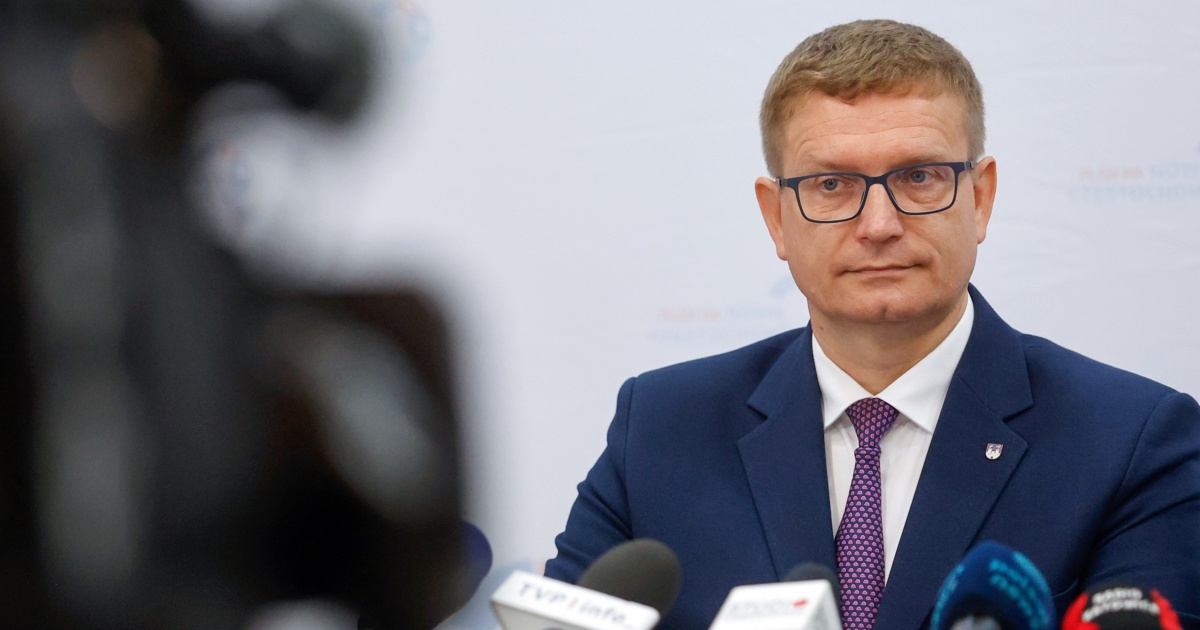
54piorunówPrezydent Częstochowy Krzysztof Matyjaszczyk z Lewicy został odwołany w referendum — poinformowała delegatura Krajowego Biura Wyborczego w Częstochowie. #polityka #samorzad #czestochowa

BarcolGruba ryba
73piorunów- Jasno robi się gdy i tak śpisz
- Zachód słońca o 17 (a za kilka tygodni to i przed 16)
- Łatwiej o depresje
- Gdy wszyscy wracają z roboty po ciemku to zwieksza szanse na zdarzenia drogowe
- Cokolwiek innego niż siedzenie na d⁎⁎ie w domu po pracy staje się problematyczne
(+ Jesteśmy zsynchronizowawani z ruską dziczą a nie z cywilizacją zachodu xd)
W takiej Hiszpanii mają ten sam czas co my i zachody słońca o 23 [EDIT: O 22:20 W GALICJI HISZPAŃSKIEJ W CZERWCU, MUSIAŁEM DOPRECYZOWAĆ SKORO TYLKO TO JEDNO ZDANIE WIDZICIE Z CSLEGO POSTA I TO ONO WAS NAJBARDZIEJ BOLI XD], tam jest życie, tam jest radość. Ale przyjdzie jakiś idiota i powie że "czas zimowy jest bardziej naturalny" xD co jest w ogóle naturalnego w arbitralnym pocieciu doby na 24 odcinki xdd
 Felonious_GruLider3piorunówFelonious_GruLider5piorunów
czas zimowy jest bardziej naturalny

ostrynacienkimGruba ryba
53piorunówAle zescie ekipe zmontowali XD
 konto_na_wykop_plGruba ryba2piorunów
Dobre chwile tak szybko przemijają, a kadencja tego klauna ciągnie się i ciągnie...
 CzokowokoGruba ryba4piorunów
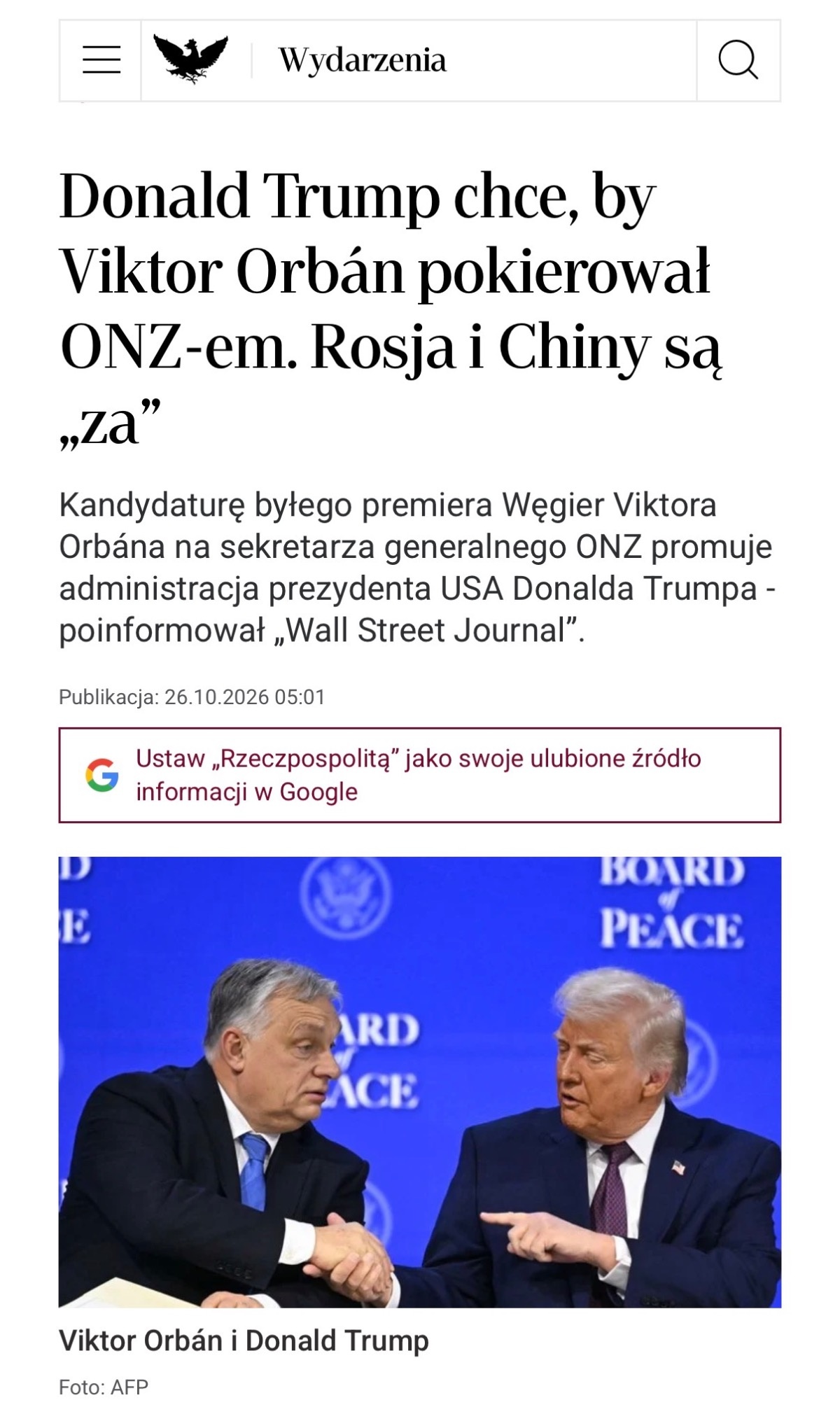
Najlepsze jest to ze hamburgery przestały za kadencji pojeba płacić na budżet ONZ, a odpowiadały za ok połowę.

Big__lebowskiGruba ryba
93piorunówFajne to towarzystwo.
 dez_GURU59piorunów
Yep, a puchatek dostanie zwierzchnictwo nad radą praw człowieka xD
 GlonojadKosmonauta34piorunów
Czyli wyprzedaż majątku na Węgrzech nie jest przypadkowa, widać amerykańce wzięli ich pod swoje skrzydła

WujekAlienLider
31piorunów NiebieskiSzpadelNihilizmuLider2piorunów
@WujekAlien gdybym nie był po weekendowym kursie unikania pozwów, to napisałbym, że #narkotykizawszespoko xD
 Lemon_Autorytet2piorunów
@WujekAlien Hennig-Klęska :grinning:

kontrabandaOsobistość
10piorunówOrgany rządu centralnego nie planują zakupu Meta One, limit linków na Facebooku jako jedyna potwierdza Kancelaria Senatu
Na początku października „Kontrabanda” opisała na podstawie wypowiedzi kilku niezależnych wydawców i organizacji wpływ nowej płatnej subskrypcji Meta One – oraz powiązanego z nim miesięcznego limitu linków – na ich funkcjonowanie. Wszyscy wypowiadający się zapowiedzieli działania, które mają na celu ograniczenie swojej zależności od Facebooka. W późniejszym czasie zaczęliśmy też badać potencjalny wpływ stopniowo wprowadzanego […]
https://kontrabanda.net/r/limit-linkow-facebook-polska-rzad-meta-one/
#kontrabanda #informacje #reportaże_autorskie #facebook #meta_platforms #polityka #polska
 sireplamaGURU2piorunów
I mnie w pracy wyskoczyło okienko, że limit linków w postach wyczerpaliśmy xD
Ogólnie ulegliśmy ufolcowi i będziemy ograniczali ilość wpisów na Fejsie xD

AmadeuszKompan
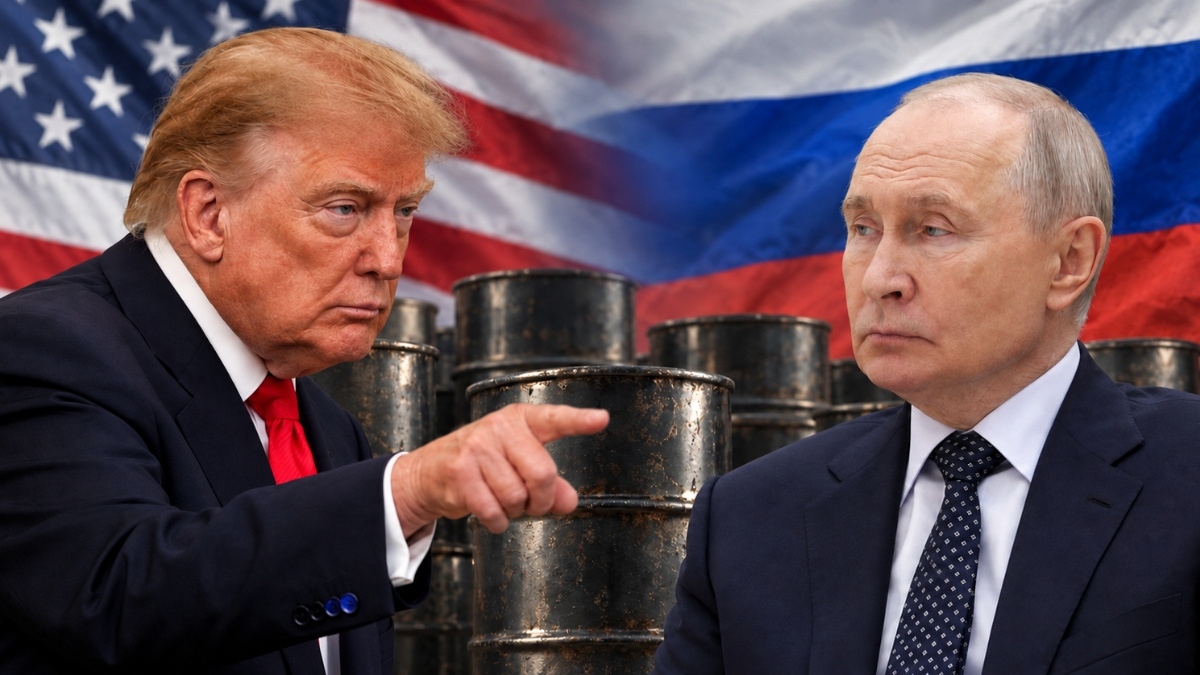
4piorunówCzy teraz przekaz dla NPC się zmieni i Polska będzie znowu kochać Rosję?
https://polskieradio24.pl/swiat/trump-dobil-targu-z-putinem-rosyjski-diesel-poplynie-w-swiat
 MarsjaminTytan2piorunów
wygrywasz pokojową nagrodę internet explorera, spóźniłeś się tylko o dwa tygodnie
a to że trump to debil co wchodzi ruskim w d⁎⁎ę to nie jest żadnym zaskoczeniem

LovelyPLAutorytet
32piorunówCzyli jak pomarańczowa małpa z ruskimi robi biznesy wbrew prawu. #polityka #politykazagraniczna #usa #trump #pomaranczowamalpa

OnestoneGURU
107piorunówAle berkowicz (celowo małą literą) to dzban, odcinek 2137.
 sireplamaGURU4piorunów
Konfiarze ruskimi trollami i zdrajcami Polski? Stare, znałem.
 Towarzysz_MoskvinWirtuoz0piorunów
Akurat z tym że najlepszy moment na zawarcie pokoju Ukraina przespała bo uwierzyła w zapewnienia min Borysa jest faktem.
Zawarcie pokoju w 2022 po serii udanych kontrofensyw biorąc pod uwagę opłakany stan rosyjskiej armii było najlepszym mozliwym rozwiązaniem. Niestety wyszło jak wyszło i kilkaset tysięcy Ukraińców w piachu później sytuacja wygląda dużo gorzej jak w '22.
Pokój zawiera się w momencie jak wygrywasz.